
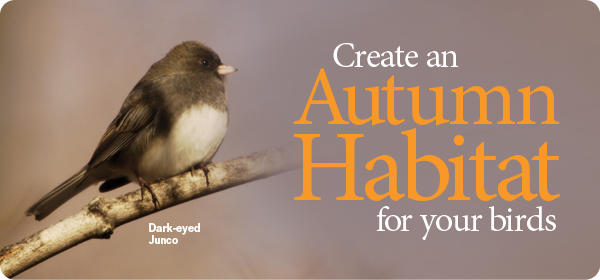
Create an Autumn Habitat For Your Birds
Autumn is a time for sweet memories of falling leaves 🍃 and aromas of pumpkin spice 🎃. As much as we look forward to traditions, birds look forward to the consistent things in our yards. 🍁🐦 Fall is the perfect time to advertise to the birds that they can rely on our yards as part of their winter habitat territory.
🍂 Leave the Landscape
🌾 Leave Spent Plants for Birds: Why It Matters
- Instead of tidying up your garden completely in autumn, let nature do the work. Leaving dead or dormant plants standing benefits birds in multiple ways:
🍽️ Natural Food Sources
- Seed Heads: Plants like coneflowers, sunflowers, goldenrod, and grasses provide nutritious seeds throughout the colder months. Sparrows, finches, and chickadees will perch and feed directly from seed heads.
- Fallen Seeds: Ground-feeding birds like juncos, towhees, and mourning doves forage beneath plants for dropped seeds.
🐛 Hidden Protein: Overwintering Insects
- Dead stalks and leaf litter shelter insects, spiders, and larvae—critical winter protein for birds like wrens, nuthatches, and woodpeckers.
🛡️ Shelter and Protection
- Dense, standing vegetation offers birds a break from wind, snow, and predators.
- Ground cover from fallen leaves or plant debris also provides important hiding spots.
🍽️ Set Up a Foundational Bird Feeder
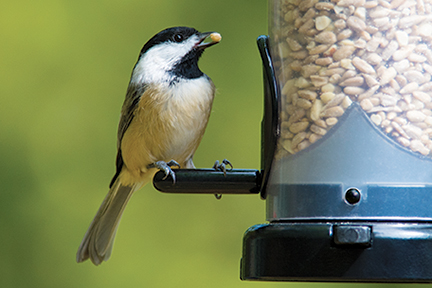
Birds need high calorie foods to keep their little bodies warm, especially during cold nights. Fall is the perfect time to clean, repair or install new feeders before cold weather arrives.
✅ What Makes a Good Foundational Feeder? 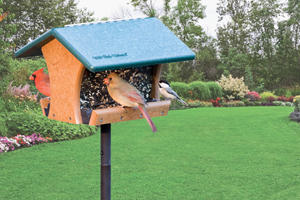
- Large Capacity: Holds enough seed to last several days, reducing how often you need to refill.
- Weather-Resistant: A covered or hopper-style feeder helps keep seed ☔ dry in rain or snow.
- Easy to Clean: Prevent mold and disease by cleaning the feeder regularly. Composite feeders are much easier to 🛁 clean and keep sanitized than wooden feeders.
- 🐿 Squirrel-Proof Options: Help conserve seed for the birds.
🐦 Best Seed for Autumn & Winter
- 🌻 Black Oil Sunflower Seed or Sunflower hearts: High in fat and widely loved by many species.
- Nyjer (Thistle) or WBU Finch Blend: Great for finches and siskins.
- 🥜 Peanuts (unsalted, shelled or in the shell): Loved by woodpeckers, jays, chickadees, and titmice. And a great source of fat and protein for caching season.
- Suet Cakes: A high-energy/ high fat food source ideal for cold months.
📍 Feeder Placement Tips 📍
- Place feeders near 🌳 shrubs or trees to offer quick shelter from predators. (Avoid placement if you have local 🐈⬛🐈 feral or outdoor pet cats that use shrubs and trees to hide in while hunting the local bird population.)
- Keep them visible and in a calm, safe area away from highly trafficked locations.
- Avoid areas with too much 💨 wind exposure.
By maintaining one reliable feeder that birds can count on, you’re helping them build up fat reserves for the colder months—and giving them a dependable place to return to when food is scarce and weather turns rough. 🌾❄️🐦
🏠 Ways to Provide Shelter for Birds in Autumn:
🌲 Natural Shelter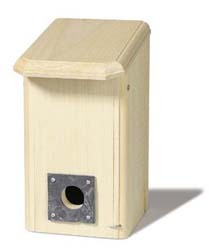
- Dense Shrubs and Evergreens: Leave native shrubs, conifers, and dense hedges untouched as they provide natural windbreaks and hiding spots.
- Brush Piles: Stack branches, twigs, and leaves in a quiet corner of your yard. These piles mimic natural shelter and attract wrens, sparrows, and other small birds.
🪵 Roosting Boxes
These are like nest boxes but optimized for warmth rather than nesting.
- Convert Nest Boxes: Plug ventilation holes temporarily to retain warmth.
- Install perches inside the box or add interior roughness so multiple birds can huddle.
🏡 Where to Place Them
- 🏚↔🌻 At least 20-30 feet from food sources so resting birds are not stressed from nearby bird activity and away from open, exposed areas to protect boxes from inclement weather. (This may not apply for boxes such as bluebird or swallow boxes as these field birds prefer open surroundings. You can help these birds by making sure the nest box entrance hole is facing east or south away from the prevailing winds.)
- 🏡 Under eaves, in dense trees, or against a sheltered wall.
By setting up or modifying shelters now, you’re giving birds a critical advantage through the colder months. Autumn is the perfect time to prep—before the harsh weather sets in. ❄️🐦
💦 Offer Water
Setting up a bird bath is a simple but impactful way to support local and migrating birds, especially during the late summer and autumn months when they are molting or preparing for migration. Here are a few quick tips if you're planning to set one up:
🐦 Tips for a Good Bird Bath: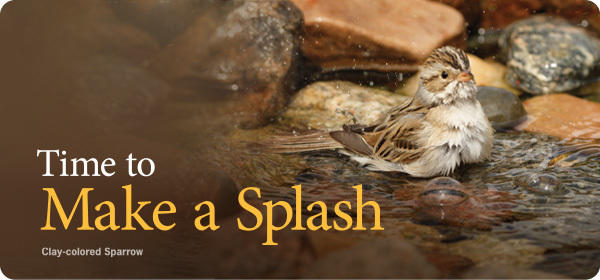
- 💙 Shallow Water: 1–2 inches deep is ideal. Birds prefer shallow areas where they can wade.
- 📐 Stable Base: Make sure it’s placed on a level surface and won’t tip over.
- 🚿 Clean Water: Change the water every day or two to prevent algae and mosquito breeding. Or, add a Dripper/Mister to create ripples in your bird bath which will help against mosquitos and moving water can attract birds.
- 🪨 Add Stones or Pebbles: This gives birds places to perch and makes the bath more accessible.
- 📍 Location Matters: Place the bath in a shady area if possible, and near some shrubs or trees so birds have a quick escape route from predators. If outdoor cats are present in your yard, keep at least a 10 foot radius of open space between the bath and shrubs that cats may hide in.
- 🛁 Keep It Clean: Scrub the bath with a brush weekly using a 1:9 bleach-to-water solution, then rinse thoroughly and allow to completely air dry. Not a bleach fan? Try a vinegar and baking soda paste and always rinse thoroughly.
Providing water now helps birds stay healthy as they grow new feathers and build up energy reserves. You're contributing to bird conservation with a simple act—nicely done. 🐤💧